Koriandri: Complete Guide to Benefits, Uses, Nutrition, and Growing
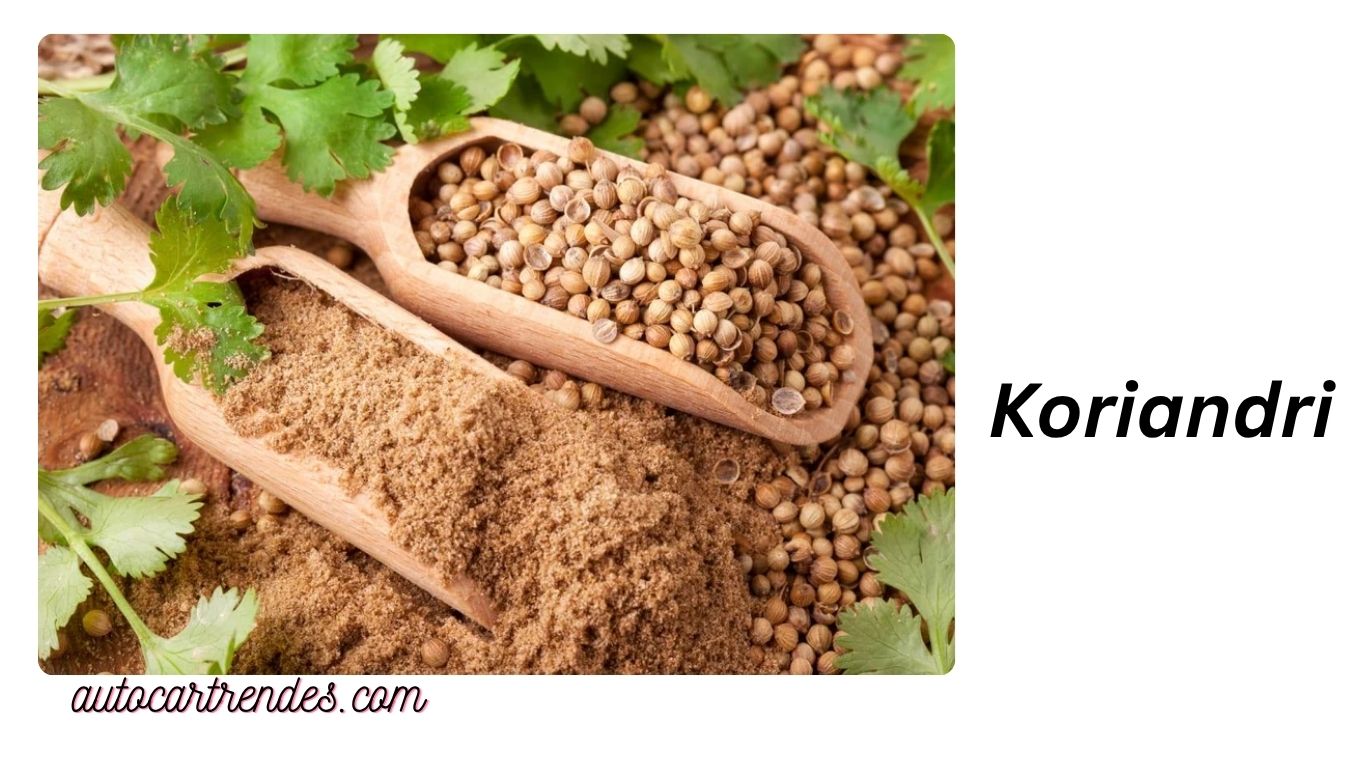
Koriandri is one of the world’s most popular culinary herbs, valued for its fresh flavor, pleasant aroma, and impressive nutritional profile. Scientifically known as Coriandrum sativum, this versatile plant belongs to the Apiaceae family, which also includes parsley, carrots, celery, and dill. Every part of the plant can be used, making it an essential ingredient in kitchens across Asia, Europe, the Middle East, Latin America, and North America.
Although the word “koriandri” is less commonly used in English-speaking countries, it refers to the same remarkable herb known worldwide as coriander or cilantro. The leaves, stems, seeds, and even roots have unique flavors that make them useful in cooking, natural remedies, and food preservation.
Beyond its culinary value, koriandri has attracted attention for its vitamins, minerals, antioxidants, and potential health-supporting properties. Modern research continues to explore its role in healthy eating, while traditional cultures have used it for centuries to support digestion and overall wellness.
This comprehensive guide explains everything you need to know about koriandri, including its history, nutrition, health benefits, culinary uses, growing methods, storage tips, and much more.
What Is Koriandri?
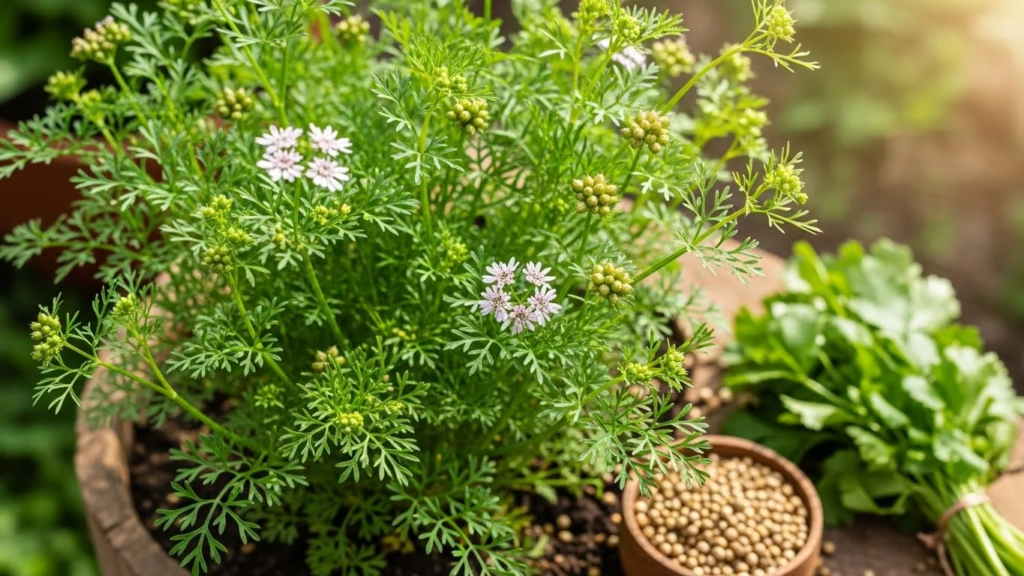
Koriandri is an annual herb scientifically named Coriandrum sativum. It produces delicate green leaves, slender stems, small white or pink flowers, and round beige seeds.
One interesting feature of koriandri is that different parts of the same plant have completely different flavors.
The fresh leaves have a bright, citrus-like taste that many people enjoy in salads, soups, tacos, curries, and salsas. The seeds develop a warm, slightly sweet, nutty flavor that works well in spice blends, baked goods, pickles, and roasted vegetables.
Because both the fresh herb and dried seeds come from the same plant, koriandri is considered one of the most versatile herbs used in cooking.
Scientific Classification of Koriandri
Understanding the plant’s scientific background helps explain why it is closely related to many familiar herbs and vegetables.
- Scientific name: Coriandrum sativum
- Common names: Koriandri, coriander, cilantro, Chinese parsley
- Plant family: Apiaceae
- Plant type: Annual herb
- Native region: Mediterranean and Western Asia
- Average height: 12 to 24 inches
- Growing season: Cool weather
- Flower color: White to pale pink
- Seed color: Light brown
Today, koriandri is cultivated on every continent except Antarctica because it adapts well to different climates.
History and Origin of Koriandri
Koriandri has one of the oldest recorded histories among culinary herbs.
Also Read:Chief Technical Examiner: Roles, Responsibilities, Skills, Career Path, and Industry Importance
Archaeological discoveries show that coriander seeds were used thousands of years ago in ancient Egypt. Seeds have even been found inside Egyptian tombs, suggesting they held cultural and practical importance.
The herb later spread through Greece and Rome, where it became popular in cooking and traditional medicine. Traders eventually introduced koriandri throughout Asia, Africa, and Europe.
As global trade expanded, the plant reached the Americas, where it quickly became a staple ingredient in Mexican, Caribbean, and South American cuisines.
Today, koriandri is grown commercially in countries including:
- India
- Russia
- Morocco
- China
- Canada
- United States
- Ukraine
- Bulgaria
- Egypt
- Turkey
India remains one of the world’s largest producers and exporters of coriander seeds.
Different Parts of the Koriandri Plant
One reason koriandri is so valuable is that nearly every part of the plant can be used.
Fresh Leaves
The leaves are commonly called cilantro in North America.
They add freshness to:
- Salads
- Tacos
- Soups
- Rice dishes
- Salsa
- Chutneys
- Sandwiches
- Curry recipes
Stems
The stems contain just as much flavor as the leaves.
Many chefs finely chop the stems for:
- Sauces
- Marinades
- Stir-fries
- Curry pastes
Roots
The roots are especially popular in Southeast Asian cooking.
They are often crushed with garlic and pepper to create flavorful seasoning pastes.
Seeds
Once dried, coriander seeds become a popular spice used whole or ground.
They are common in:
- Curry powder
- Pickles
- Bread
- Sausage
- Roasted vegetables
- Soups
- Meat rubs
Nutritional Value of Koriandri
Koriandri provides important nutrients while remaining naturally low in calories.
Fresh leaves contain:
- Vitamin A
- Vitamin C
- Vitamin K
- Folate
- Potassium
- Calcium
- Magnesium
- Iron
- Fiber
- Plant antioxidants
The seeds also contain:
- Healthy plant compounds
- Dietary fiber
- Essential oils
- Calcium
- Iron
- Manganese
- Magnesium
Although people usually eat small amounts, these nutrients contribute to a balanced diet.
Health Benefits of Koriandri
Koriandri is often included in healthy eating plans because it contains vitamins, minerals, antioxidants, and beneficial plant compounds.
While no single food can prevent disease, incorporating fresh herbs like koriandri into a balanced diet may support overall health.
Rich in Antioxidants
Koriandri contains natural antioxidants that help protect cells from oxidative stress caused by unstable molecules called free radicals.
These antioxidants support normal body functions and contribute to overall wellness.
Supports Healthy Digestion
Many cultures have traditionally used koriandri after meals.
Its fresh leaves and seeds are commonly included in dishes that support comfortable digestion and may help reduce occasional bloating after eating.
Good Source of Vitamin K
Fresh koriandri leaves provide vitamin K, which plays an important role in maintaining normal blood clotting and supporting healthy bones.
Contains Vitamin C
Vitamin C contributes to:
- Healthy skin
- Immune function
- Collagen production
- Wound healing
Adding fresh koriandri to meals can slightly increase your daily vitamin C intake.
May Support Heart-Friendly Eating
Koriandri fits naturally into heart-conscious diets because it is:
- Low in calories
- Naturally cholesterol free
- Low in saturated fat
- Rich in plant nutrients
When used instead of excessive salt or heavy sauces, it can help create healthier meals.
Provides Beneficial Plant Compounds
Researchers continue studying compounds found in coriander, including:
- Linalool
- Terpenes
- Flavonoids
- Phenolic acids
These natural substances are responsible for much of the herb’s aroma and potential biological activity.
Why Some People Think Koriandri Tastes Like Soap
One of the most fascinating facts about koriandri is that people experience its flavor very differently.
Some describe it as:
- Fresh
- Citrusy
- Bright
- Herbal
Others say it tastes like:
- Soap
- Metal
- Detergent
Scientists believe genetics largely explain this difference.
Certain individuals carry gene variations that make them more sensitive to specific aromatic compounds found in coriander leaves.
This explains why opinions about koriandri vary so dramatically around the world.
Culinary Uses of Koriandri
Koriandri appears in thousands of recipes because it complements many ingredients without overpowering them.
Mexican Cuisine
Popular uses include:
- Guacamole
- Pico de gallo
- Salsa verde
- Tacos
- Burritos
Indian Cuisine
Fresh leaves garnish:
- Dal
- Curry
- Biryani
- Chutney
- Vegetable dishes
Ground coriander seeds are also one of the main ingredients in curry powder.
Thai Cuisine
Thai cooking frequently combines koriandri with:
- Garlic
- Ginger
- Chili
- Lime
- Coconut milk
Also Read:Adswynk Com: Earn Passive Income with Shortened Links
Middle Eastern Cuisine
Koriandri enhances:
- Falafel
- Rice
- Soups
- Meat dishes
- Fresh salads
European Cooking
The seeds are commonly used in:
- Bread
- Sausage
- Pickling
- Roasted vegetables
Fresh Koriandri vs Coriander Seeds
Although they come from the same plant, they differ in flavor and use.
| Fresh Koriandri | Coriander Seeds |
| Bright flavor | Warm flavor |
| Citrus notes | Nutty notes |
| Added after cooking | Often cooked |
| Soft leaves | Hard dried seeds |
| Used as garnish | Used as spice |
Many recipes use both forms together for a deeper flavor profile.
How to Grow Koriandri at Home
Growing koriandri is relatively simple.
Choose the Right Location
Select an area that receives:
- Morning sunlight
- Partial afternoon shade
- Good airflow
Planting
Plant seeds directly into the soil because young plants dislike being transplanted.
Soil
Use soil that is:
- Loose
- Well-drained
- Rich in organic matter
Watering
Water consistently without making the soil soggy.
Harvesting
Leaves can usually be harvested within one month.
Seeds mature several weeks after flowering.
Common Growing Problems
Even easy herbs face occasional challenges.
Common issues include:
- Aphids
- Powdery mildew
- Root rot
- Early flowering due to heat
- Poor drainage
Most problems can be minimized through proper watering and healthy soil.
How to Store Koriandri
Fresh herbs lose quality quickly if stored incorrectly.
For fresh leaves:
- Trim the stems.
- Place them in a glass with water.
- Cover loosely with a plastic bag.
- Refrigerate.
Alternatively, wrap leaves in a damp paper towel before placing them in a sealed container.
For dried seeds:
- Store in airtight containers.
- Keep away from heat.
- Avoid direct sunlight.
- Grind only when needed for maximum flavor.
Can You Freeze Koriandri?
Yes.
Freezing helps preserve flavor for several months.
Popular methods include:
- Chopped leaves in freezer bags
- Herb cubes frozen with water
- Herb cubes frozen with olive oil
Frozen koriandri works best in cooked recipes rather than fresh salads.
Koriandri in Traditional Herbal Practices
Throughout history, many cultures have used koriandri beyond the kitchen.
Traditional systems have included it in herbal preparations intended to support:
- Digestion
- Appetite
- Fresh breath
- General wellness
While these traditional uses are culturally significant, they should not replace professional medical advice or proven treatments.
Buying High-Quality Koriandri
When shopping for fresh koriandri, look for:
- Bright green leaves
- Firm stems
- Fresh aroma
- No yellowing
- No slimy texture
For coriander seeds, choose:
- Whole seeds
- Uniform color
- Pleasant fragrance
- Airtight packaging
Whole seeds generally remain flavorful much longer than pre-ground coriander.
Environmental Benefits of Growing Koriandri
Koriandri offers more than culinary value.
When grown in gardens, its flowers attract beneficial pollinators, including bees and hoverflies. These insects support healthy ecosystems and improve pollination for nearby vegetables and fruit plants.
Growing koriandri at home can also reduce the need for plastic packaging associated with store-bought herbs, making it a small but meaningful step toward a more sustainable kitchen.
Common Mistakes When Using Koriandri
Many people fail to get the best flavor from koriandri because of simple mistakes.
Avoid these common errors:
- Cooking fresh leaves for too long
- Using old, stale coriander powder
- Overwatering the plant
- Harvesting leaves too late
- Storing fresh herbs without moisture
- Grinding large amounts of seeds in advance
Using fresh ingredients and proper storage methods will help preserve the herb’s natural aroma and taste.
Is Koriandri Safe to Eat?
For most people, koriandri is safe when consumed as part of a normal diet.
However, keep these points in mind:
Also Read:g15tools com Contact: Complete Guide to Reaching G15Tools Support
- Some individuals may experience allergic reactions.
- Wash fresh leaves thoroughly before eating.
- People taking medications or managing specific medical conditions should consult a healthcare professional before using large amounts of herbal supplements made from coriander.
- Culinary amounts used in recipes are generally considered safe for healthy adults.
Interesting Facts About Koriandri
- Koriandri has been cultivated for more than 3,000 years, making it one of the oldest herbs used by humans.
- The fresh leaves and dried seeds come from the same plant but have completely different flavors and culinary uses.
- In the United States and Canada, the leaves are commonly called cilantro, while the dried seeds are known as coriander.
- Koriandri belongs to the Apiaceae family, which also includes parsley, carrots, celery, fennel, and dill.
- Coriander seeds become more aromatic when lightly toasted before use in recipes.
- The flowers of the koriandri plant attract bees and other beneficial pollinators to gardens.
- Nearly every part of the plant—including the leaves, stems, roots, flowers, and seeds—can be used in cooking.
- Some people perceive the taste of fresh koriandri as soapy due to a genetic variation that affects how certain aroma compounds are detected.
- Koriandri is grown commercially in more than 100 countries and is an essential ingredient in many global cuisines.
- It is naturally low in calories while providing vitamins, minerals, antioxidants, and flavorful essential oils, making it a nutritious addition to a balanced diet.
Final Thoughts
Koriandri is far more than a simple garnish. It is a versatile herb with a long history, impressive nutritional value, and countless culinary applications. Whether used as fresh leaves in tacos, salads, and curries or as aromatic seeds in spice blends and baked goods, koriandri adds flavor, freshness, and depth to meals around the world.
Its vitamins, antioxidants, and naturally occurring plant compounds make it a valuable addition to a balanced diet, while its ease of cultivation allows gardeners of all experience levels to grow it successfully at home. Although scientific research into some traditional health claims is still ongoing, koriandri remains an excellent example of how a simple herb can provide both culinary enjoyment and nutritional value.
Adding fresh koriandri to everyday cooking is an easy way to introduce vibrant flavor, support healthy eating habits, and explore one of the world’s oldest and most appreciated herbs.
Frequently Asked Questions About Koriandri
Is koriandri the same as cilantro?
Yes. In North America, the fresh leaves are commonly called cilantro, while the seeds are called coriander. The term “koriandri” refers to the same plant, Coriandrum sativum.
Can you eat koriandri every day?
Most healthy adults can safely enjoy fresh koriandri daily as part of a balanced diet. It is low in calories and provides useful vitamins and minerals.
Why do coriander seeds and fresh leaves taste different?
The leaves contain aromatic compounds that create a fresh, citrus-like flavor, while the dried seeds develop warm, nutty, and slightly sweet notes during maturation.
Does cooking reduce the flavor of fresh koriandri?
Yes. Fresh leaves lose much of their delicate aroma during prolonged cooking, so they are usually added just before serving.
How long does fresh koriandri last in the refrigerator?
Properly stored fresh koriandri typically stays fresh for about one week, although storage conditions can affect its shelf life.
Can pets eat koriandri?
Small amounts of fresh coriander are generally considered safe for many pets, but pet owners should always consult a veterinarian before adding new foods to an animal’s diet.
Is dried coriander as nutritious as fresh koriandri?
Both forms provide nutrients, but fresh leaves contain higher amounts of vitamins like vitamin C and vitamin K, while dried seeds are richer in certain minerals and essential oils.