Wollmatten: The Complete Guide to Natural Wool Mats, Benefits, Uses & Care
Natural materials are making a strong comeback in homes, gardens, and sustainable construction. Among these eco-friendly products, Wollmatten have become increasingly popular because they combine comfort, durability, and environmental responsibility. Whether used as floor mats, insulation, gardening mats, or acoustic panels, these wool-based products offer practical advantages that synthetic materials often struggle to match.
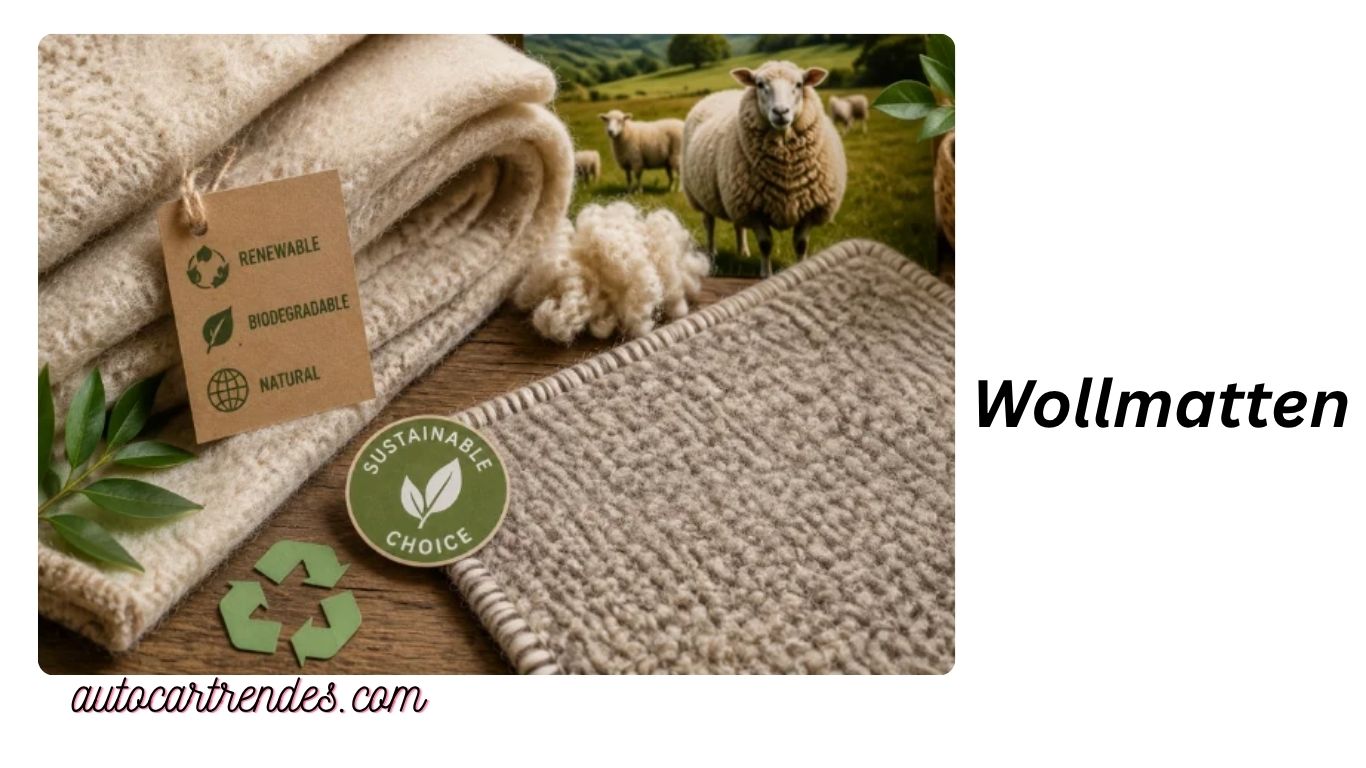
The word “Wollmatten” comes from the German language and literally means “wool mats.” These mats are manufactured from natural sheep’s wool that has been processed into dense sheets through weaving, felting, or compression techniques. Today, they are used in residential, commercial, agricultural, and industrial environments because of their excellent insulation, moisture management, and sustainability.
This complete guide explains everything you need to know about Wollmatten, including how they are made, their benefits, applications, maintenance, buying considerations, and why they continue gaining popularity worldwide.
What Are Wollmatten?
Wollmatten are dense mats manufactured primarily from sheep’s wool fibers. Depending on the intended application, manufacturers produce them using different methods, including:
- Hand weaving
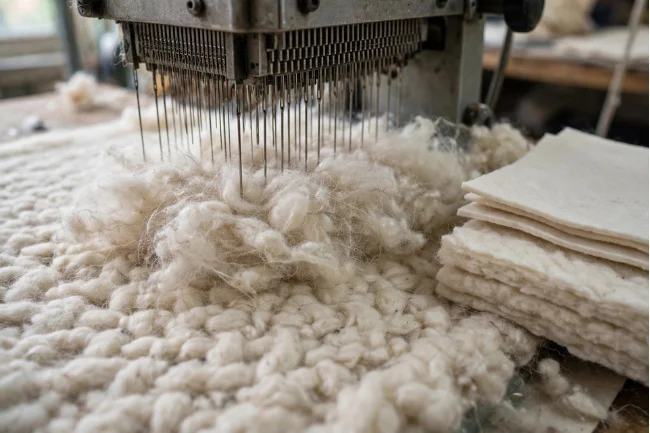
- Needle felting
- Wet felting
- Mechanical compression
- Thermal bonding
Unlike synthetic mats that rely heavily on petroleum-based plastics, Wollmatten use renewable natural fibers that offer outstanding thermal and acoustic performance while remaining biodegradable at the end of their service life.
Some Wollmatten are designed purely for decorative purposes, while others are engineered for insulation, gardening, erosion control, furniture padding, packaging, or industrial use.
Understanding Sheep’s Wool as a Natural Material
The secret behind Wollmatten lies in sheep’s wool itself.
Every wool fiber contains microscopic crimps that trap tiny pockets of air. Those air pockets work as natural insulation by slowing heat transfer. This unique structure also helps absorb sound and regulate moisture.
Unlike many artificial fibers, wool naturally adapts to environmental conditions.
It can:
- absorb moisture without feeling wet
- release humidity back into the air
- regulate indoor temperatures
- resist odors
- provide natural elasticity
- remain comfortable throughout the year
These characteristics make wool one of nature’s most impressive renewable materials.
How Wollmatten Are Manufactured
Although production methods differ between manufacturers, most Wollmatten follow a similar process.
Wool Collection
Healthy sheep are sheared annually. This process is necessary for animal welfare and provides the raw material used for wool products.
Cleaning
The wool is washed carefully to remove:
- dirt
- lanolin residue
- plant debris
- dust
- natural impurities
Fiber Sorting
Manufacturers separate fibers according to:
- length
- thickness
- strength
- color
- quality
Higher-quality fibers usually become premium decorative mats, while coarser fibers often become insulation products.
Processing
Depending on the product, fibers are either:
- woven
- felted
- mechanically compressed
- needle punched
The finished mat receives trimming and quality inspection before packaging.
Different Types of Wollmatten
Not every wool mat serves the same purpose.
Also Read:Toastul: The Complete Guide to Creative Gourmet Toast for Every Meal
Felted Wollmatten
Felted mats are extremely dense and durable.
They are commonly used for:
- insulation
- soundproofing
- furniture protection
- industrial applications
Woven Wollmatten
These feature visible wool threads woven together.
Common uses include:
- rugs
- decorative floor mats
- entry mats
- home décor
Gardening Wollmatten
These specialized mats help protect soil and plant roots while conserving moisture.
Insulation Wollmatten
Construction-grade wool mats are thicker and manufactured specifically for walls, roofs, and flooring.
Industrial Wool Mats
Industries use compressed wool mats for:
- vibration control
- packaging
- filtration
- machinery protection
Major Benefits of Wollmatten
One reason Wollmatten continue gaining popularity is the impressive number of natural advantages they provide.
Excellent Thermal Insulation
Wool naturally traps heat during winter while helping keep interiors cooler during summer.
This contributes to:
- lower heating costs
- improved indoor comfort
- better energy efficiency
Buildings using wool insulation can often reduce overall energy consumption when properly installed.
Moisture Management
One of the most valuable qualities of Wollmatten is their ability to manage moisture naturally. Sheep’s wool fibers can absorb a significant amount of water vapor while still feeling dry to the touch. This helps create a more balanced indoor environment and reduces the chance of excessive humidity.
Unlike many synthetic materials that trap moisture, Wollmatten allow air to circulate while gradually releasing absorbed moisture back into the surrounding environment. This natural process helps improve comfort in homes, offices, and workshops.
Benefits of moisture regulation include:
- Better indoor air quality
- Reduced condensation
- Greater comfort during changing weather
- Longer-lasting building materials when used for insulation
- Less chance of unpleasant odors
Natural Sound Insulation
Noise pollution is becoming a growing concern in both homes and workplaces. Wollmatten help reduce unwanted sound because wool fibers naturally absorb sound waves instead of reflecting them.
For this reason, wool mats are commonly used in:
- Recording studios
- Home offices
- Apartments
- Schools
- Conference rooms
- Libraries
- Hotels
Using Wollmatten on floors or inside walls can make indoor spaces quieter and more comfortable.
Environmentally Friendly Choice
Sustainability is one of the biggest reasons many people choose Wollmatten over synthetic alternatives.
Since they are made from renewable sheep’s wool, these mats have a much smaller environmental impact than products made from petroleum-based plastics.
Environmental advantages include:
- Renewable natural material
- Biodegradable at the end of its life
- Lower carbon footprint compared to many synthetic mats
- Can often be recycled into new wool products
- Supports more sustainable manufacturing practices
Choosing Wollmatten is a practical step toward reducing plastic waste while using a product made from one of nature’s most renewable fibers.
Durability and Long-Term Performance
Although wool feels soft, it is surprisingly strong. High-quality Wollmatten can last for many years with proper care.
Natural wool fibers are flexible and resilient, allowing them to recover after being compressed. This helps the mats maintain their appearance even after regular use.
Factors that improve durability include:
- Dense fiber construction
- Quality manufacturing
- Proper maintenance
- Suitable placement
- Regular cleaning
A well-made Wollmatten can provide dependable performance in both residential and commercial settings.
Comfort Underfoot
Walking on Wollmatten feels different from walking on synthetic mats. Wool fibers create a naturally soft surface that cushions every step.
This makes them popular in:
- Living rooms
- Bedrooms
- Children’s play areas
- Reading corners
- Yoga spaces
- Meditation rooms
Because wool naturally regulates temperature, these mats remain comfortable throughout the year. They do not become excessively cold during winter or overly hot during summer.
Common Uses of Wollmatten
The versatility of Wollmatten is one of their greatest strengths. They can be found in many different industries and environments.
Home Flooring
Many homeowners use Wollmatten as decorative rugs or floor mats because they combine comfort with durability. Their natural appearance complements many interior design styles, including modern, Scandinavian, farmhouse, and rustic décor.
Building Insulation
Construction professionals often choose wool insulation mats for walls, ceilings, and roofs because they provide excellent thermal and acoustic performance while helping regulate indoor humidity.
Gardening and Landscaping
Gardeners use specialized Wollmatten around plants and flower beds to help conserve soil moisture, suppress weeds, and protect roots from temperature changes. As the wool gradually breaks down, it can also add organic matter to the soil.
Pet Bedding
Natural wool mats create a warm and comfortable resting surface for pets. Their ability to regulate temperature helps keep animals comfortable in both cool and warm conditions.
Furniture Protection
Wool felt mats are often placed under furniture legs to protect hardwood, laminate, and tile floors from scratches while reducing noise when furniture is moved.
Industrial Applications
In industrial environments, Wollmatten are used for vibration control, protective padding, packaging delicate products, filtration, and specialized insulation where natural fibers are preferred.
Wollmatten in Sustainable Building Design
As green building practices become more common, architects and builders are increasingly incorporating Wollmatten into environmentally friendly construction projects.
Also Read:Primerem: The Complete Guide to Primary Embedded Memory
Natural wool insulation contributes to healthier indoor spaces by reducing reliance on synthetic materials and improving moisture control. It can also support energy-efficient building designs by helping maintain stable indoor temperatures throughout the year.
For homeowners looking to create a more sustainable living environment, Wollmatten offer an effective combination of comfort, performance, and environmental responsibility.
Wollmatten vs Synthetic Mats
| Feature | Wollmatten | Synthetic Mats |
| Material | Natural sheep’s wool | Plastic-based fibers |
| Sustainability | Renewable and biodegradable | Often non-biodegradable |
| Insulation | Excellent | Moderate |
| Moisture Control | Excellent | Limited |
| Comfort | Very soft | Depends on material |
| Sound Absorption | Excellent | Moderate |
| Environmental Impact | Lower | Higher |
| Lifespan | Long with proper care | Varies by quality |
Natural wool mats may have a higher initial cost, but many users find that their durability, comfort, and environmental benefits make them a worthwhile long-term investment.
Factors to Consider Before Buying Wollmatten
Not all Wollmatten are the same. Before making a purchase, consider the following factors:
Wool Quality
Higher-grade wool generally provides better softness, durability, and overall performance. Check whether the mat is made from 100% natural wool or a wool blend.
Thickness
The right thickness depends on how you plan to use the mat. Thicker mats are ideal for insulation and cushioning, while thinner mats work well for decorative or protective purposes.
Density
Denser Wollmatten usually offer better insulation, improved durability, and greater resistance to wear over time.
Intended Use
Choose a mat designed specifically for its intended purpose, whether it is flooring, gardening, insulation, or industrial use. Specialized products typically perform better than general-purpose mats.
Manufacturing Quality
Look for neatly finished edges, consistent thickness, and high-quality craftsmanship. A well-made Wollmatten will last longer and maintain its appearance with regular use.
How to Care for Wollmatten
Proper maintenance helps Wollmatten stay attractive and functional for many years. Although wool is naturally durable, regular care preserves its appearance and performance.
Vacuum Regularly
Dust and dirt can settle deep into wool fibers over time. Vacuum your Wollmatten once or twice a week using a vacuum without a rotating brush if possible. This removes debris while protecting the natural fibers.
Clean Spills Immediately
Accidents happen, but quick action can prevent stains.
If a spill occurs:
- Blot the liquid with a clean, dry cloth.
- Avoid rubbing, as this can push the stain deeper into the fibers.
- Use a damp cloth with mild wool-safe soap if needed.
- Let the mat air dry naturally.
Avoid Harsh Chemicals
Strong detergents, bleach, and chemical cleaners can damage natural wool fibers. Always choose cleaning products that are specifically designed for wool or other natural fabrics.
Rotate the Mat
If your Wollmatten are used as floor rugs, rotate them every few months. This helps distribute foot traffic evenly and reduces uneven wear.
Keep Away from Excessive Moisture
While wool manages humidity well, prolonged exposure to standing water can damage the fibers. If a mat becomes very wet, dry it completely before using it again.
Professional Cleaning
For larger wool rugs or heavily used Wollmatten, professional cleaning every one to three years helps maintain their appearance and extends their lifespan.
Common Mistakes to Avoid
Many people unknowingly reduce the life of their Wollmatten by making simple mistakes.
Avoid the following:
- Using bleach or harsh cleaning chemicals
- Leaving spills untreated for long periods
- Placing wool mats in constantly wet areas
- Exposing them to direct sunlight for extended periods, which may cause fading
- Washing large wool mats in a standard washing machine unless the manufacturer specifically recommends it
- Ignoring regular vacuuming and maintenance
With proper care, Wollmatten can remain attractive and functional for many years.
Are Wollmatten Worth the Investment?
Although Wollmatten often cost more than synthetic mats, many buyers consider them an excellent long-term investment.
Here are some reasons why:
- Long lifespan
- Timeless natural appearance
- Superior comfort
- Better insulation
- Reduced environmental impact
- Excellent moisture management
- Outstanding sound absorption
Instead of replacing inexpensive synthetic mats every few years, many homeowners prefer investing in one high-quality wool mat that lasts much longer.
Future Trends for Wollmatten
Growing environmental awareness continues to increase demand for natural materials, and Wollmatten are expected to play an even larger role in sustainable living.
Several trends are shaping the future of wool mats:
Eco-Friendly Construction
Builders are increasingly choosing natural insulation materials to reduce carbon emissions and create healthier indoor environments.
Sustainable Interior Design
Interior designers are incorporating more renewable materials into homes, making Wollmatten a popular flooring and decorative choice.
Organic Gardening
Gardeners continue to explore biodegradable products that improve soil health while reducing plastic waste. Wool gardening mats fit perfectly into this trend.
Circular Economy
As more industries embrace recycling and renewable materials, wool products are becoming an important part of circular manufacturing systems where materials can be reused, repurposed, or naturally decompose.
Expert Tips for Choosing the Best Wollmatten
If you want the highest quality product, keep these expert recommendations in mind:
Also Read:Koriandri: Complete Guide to Benefits, Uses, Nutrition, and Growing
- Choose 100% natural wool whenever possible.
- Buy from manufacturers with a reputation for quality craftsmanship.
- Match the thickness of the mat to its intended use.
- Check whether the product is woven, felted, or needle-punched, as each type serves different purposes.
- Look for durable edge finishing to prevent fraying.
- Compare density rather than just thickness.
- Read care instructions before purchasing.
- Consider natural color options if you want a timeless appearance.
- Verify whether the mat is suitable for indoor, outdoor, or industrial use.
- Think long-term—quality wool mats often provide better value than cheaper alternatives.
Final Thoughts
Wollmatten represent a perfect balance between natural beauty, functionality, and sustainability. Made from renewable sheep’s wool, these mats provide excellent insulation, moisture regulation, sound absorption, and long-lasting comfort. Whether used in homes, offices, gardens, or construction projects, they offer practical benefits that many synthetic materials cannot match.
Their ability to regulate temperature, improve indoor comfort, and support environmentally responsible living makes them an increasingly popular choice around the world. While the initial investment may be higher than that of plastic-based alternatives, their durability and performance often make them more cost-effective over time.
As interest in sustainable products continues to grow, Wollmatten are likely to become an even more common solution for homeowners, builders, gardeners, and businesses seeking natural, high-quality materials. Choosing a well-made Wollmatten is not only an investment in comfort and performance but also a step toward a greener and more sustainable future.
Frequently Asked Questions About Wollmatten
What does the word Wollmatten mean?
Wollmatten is a German term that translates to “wool mats” in English. It refers to mats made from natural sheep’s wool that has been woven, felted, or compressed into a dense and usable material.
Are Wollmatten made from 100% natural wool?
Many Wollmatten are made entirely from sheep’s wool, while others may include small amounts of natural or synthetic fibers to improve strength or meet specific industrial requirements.
Can Wollmatten be used outdoors?
Yes. Some Wollmatten are specifically designed for outdoor applications such as gardening, landscaping, erosion control, and plant protection. Indoor wool mats, however, should generally be kept in dry environments.
Do Wollmatten help reduce energy costs?
Yes. Because wool is a natural insulator, Wollmatten used in building insulation can help maintain indoor temperatures, potentially reducing heating and cooling costs.
Are Wollmatten safe for children and pets?
Natural wool mats are generally considered safe for homes with children and pets. They provide a soft, comfortable surface and do not rely on the same petroleum-based materials found in many synthetic mats.
Can Wollmatten absorb sound?
Yes. Wool fibers naturally absorb sound waves, making Wollmatten an excellent choice for reducing echoes and improving acoustic comfort.
Do wool mats develop unpleasant odors?
High-quality Wollmatten are naturally resistant to odors when properly maintained. Regular cleaning and allowing the mat to dry after spills help keep it fresh.
Are Wollmatten biodegradable?
Yes. Since wool is a natural fiber, pure wool mats are biodegradable and will naturally break down over time under suitable environmental conditions.